
Smart Metering Technology
World-first innovative technology breaking new ground in meter reading
Wide Bay Water Corporation’s continuous quest to discover best practice in water management led to the development of new water meter technology. WBWC worked with a water meter manufacturer to improve existing technology and implement the world-first Smart Metering system that is setting best practice globally.
My Tasks
My role on the AMR (Automated Meter Reading) project began in June 2006. Our project lead Graham Cole had flown to Texas USA to investigate the technology. The video recordings were rough but I was able to edit into short bites to capture the elements. These clips were incorporated into funding presentations, resulting in federal and state grants.
Through community consultation groups and feedback from our various stakeholders consistent themes emerged regarding 'Big Brother' and invasions of privacy. I overcame these challenges with clear communications addressing the concerns but also highlighting the advantages for our domestic and commercial customers which resulted in the successful implementation and the ability to detect and resolve leaks during a critical water shortage period.
Tasks: funding submissions, presentations, stakeholder engagement, publicity, media briefings, awards submissions.
The Smart Meters Project
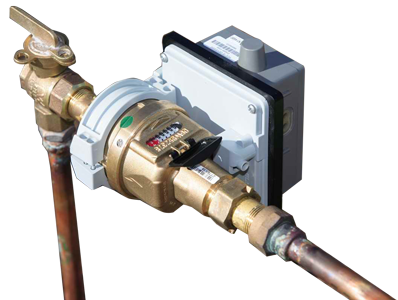
Supported by a commercially focused decision-making process, WBWC received the go-ahead to source appropriate technology. WBWC secured a unique data logger known as FIREFLY®, which showed potential to meet some of its meter-reading needs but still needed improvements.
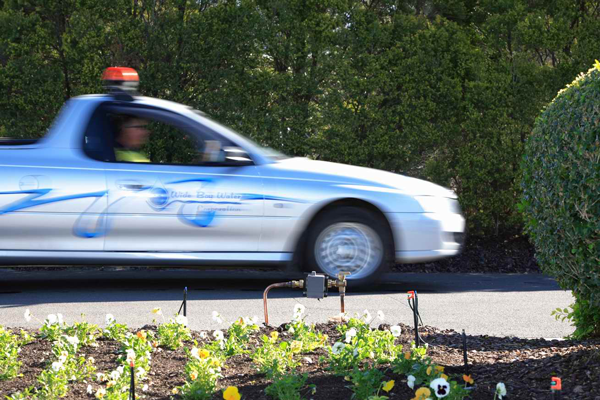
The WBWC team then worked with the manufacturers to further develop the technology and break new ground. Using FIREFLY®, water usage patterns can be recorded hour-by-hour and stored for collection at any time via drive-by readings. WBWC staff can drive around Hervey Bay with the Smart Metering device attached to the roof of the vehicle. The device activates the FIREFLY® system and the data is transmitted via radio waves to where it is downloaded and analysed for usage patterns and conservation efforts.
This new method ensures the fast and accurate meter reading of household water consumption by reducing the time taken to read every meter. Monthly, rather than quarterly billings can also be introduced to improve communication with residents about wiser water usage.
Installation expenses for the meters were subsidised by $2.6 million of Federal Government funding and $930,000 from the Queensland State Government. Additionally, as part of WBWC’s commitment to sharing knowledge and expertise to the wider community, the State Government granted $100,000 for the corporation to educate other councils and water authorities on the benefits of the scheme.
The Smart Metering Project demonstrated WBWC’s ability to identify and respond to key opportunities, which is supported by a commercially focused governance model.

Key challenge for the organisation
Wide Bay Water needed to have the capability of reading every meter accurately within one week in Hervey Bay and being able to measure hourly usage patterns. This would provide alternative charging opportunities resulting in business and customer benefits.
Additionally, the speed of accurate information gathering on water consumption would allow the corporation to better manage scarce water resources in times of drought.
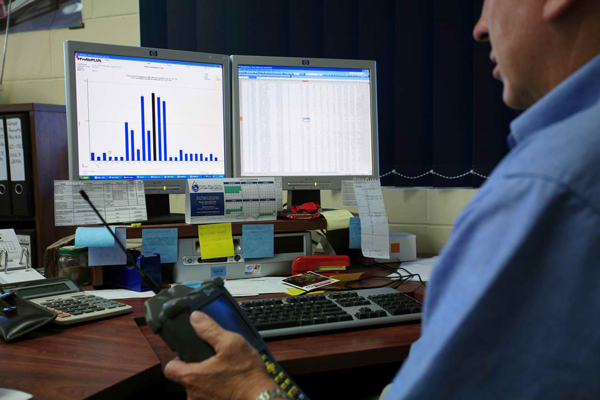
The smart meter device has the unique ability to detect water leakage, so residents can be warned and educated to prevent leaks through the more frequent billing process. Similarly, the water corporation was able to introduce new policy mechanisms through charging off-peak rates to encourage households to irrigate at night, thereby reducing costs to residents.
Key Facts
- 20,000 meters installed in Hervey Bay by March 2007
- Technology enhanced services with just 2 days required to read all Smart Meters in the region using existing resources
- Detected and reduced household leakage
- Enabled different billing for peak and off-peak periods